Compare Local Contractors for Yard Irrigation Installation
Compare local contractors for yard irrigation installation to define project scope, verify experience, and set clear expectations in writing for a successful upgrade.
Yard irrigation installation services typically cover the planning, design, and setup of systems that deliver water efficiently across a property's landscape. This process includes assessing the property's size, layout, and watering needs, selecting appropriate sprinkler heads or drip lines, and installing underground piping and control systems. Proper installation ensures even coverage and reliable operation, helping property owners maintain healthy lawns and gardens. When engaging with contractors, it’s important to clearly define the scope of work, including which areas need irrigation, the type of system preferred, and any specific features or zones to be included, to ensure the project meets expectations.
Defining the scope of yard irrigation work is essential for establishing clear expectations and avoiding misunderstandings. A detailed scope outlines the specific tasks, areas to be irrigated, system components, and any additional services such as soil preparation or system testing. Having these details in writing can help property owners compare proposals effectively and ensure that contractors understand the project requirements. It also provides a reference point to evaluate whether proposals include all necessary work and to hold service providers accountable for delivering the agreed-upon scope.
When comparing local contractors for irrigation installation, property owners should consider experience, reputation, and the range of services offered. Verifying how long a contractor has been working in the area and seeking references or reviews can provide insight into their reliability and quality of work. It’s also helpful to review their proposed scope of work and ensure it aligns with the property’s needs. Requesting detailed written proposals that specify the scope, materials, and responsibilities helps in making informed comparisons. This approach supports selecting a service provider capable of delivering a thorough, well-executed irrigation system tailored to the property’s landscape.
Compare local contractors by outlining priorities, verifying experience, and clearly defining project scope and expectations.
- Compare Contractors - review multiple service providers to find the best match for yard irrigation installation needs.
- Define Project Scope - clearly outline the work details and expectations before starting any work.
- Verify Experience - ensure contractors have relevant experience in yard irrigation systems.
- Get Written Agreements - confirm all project details, scope, and expectations are documented in a written contract.
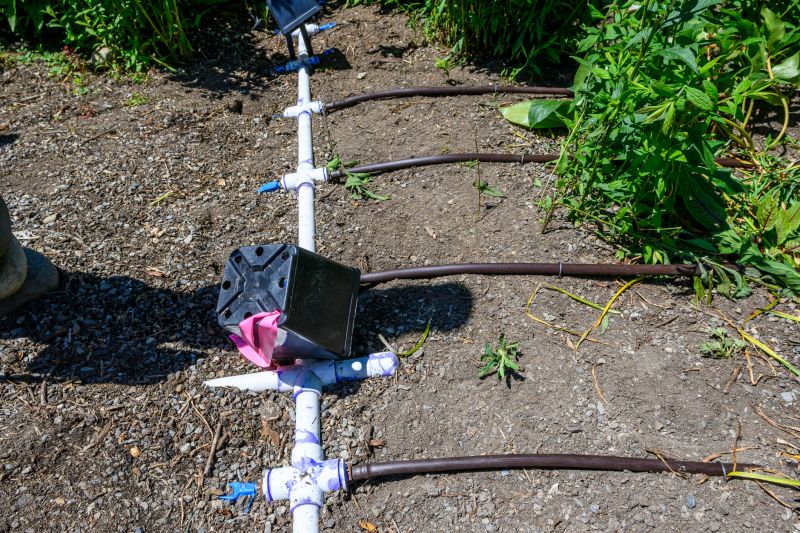
Clearly describe your yard irrigation project to help compare contractors, define scope, verify experience, and set expectations in writing.
- Verify experience with yard irrigation installation to ensure familiarity with local landscape conditions. - Review the scope of work to confirm it includes all necessary components such as piping, sprinklers, and controllers.
- Ensure the contractor provides a detailed written estimate outlining materials, labor, and project specifics. - Clarify what is included in the scope to avoid misunderstandings during the project.
- Check references or reviews to assess the quality of previous irrigation installations completed by the contractor. - Confirm that the service provider has a history of reliable and professional work.
- Discuss and document project expectations, including system coverage, zones, and water efficiency goals. - Clear communication helps align project outcomes with homeowner needs.
- Confirm that the contractor will handle necessary permits or inspections required by local regulations. - Ensuring compliance can prevent potential issues during or after installation.
- Request a written contract that specifies project scope, materials, warranties, and payment terms. - A comprehensive agreement helps protect all parties and clarifies responsibilities.
Compare local contractors’ experience, clarify project scope, and set expectations clearly in writing.


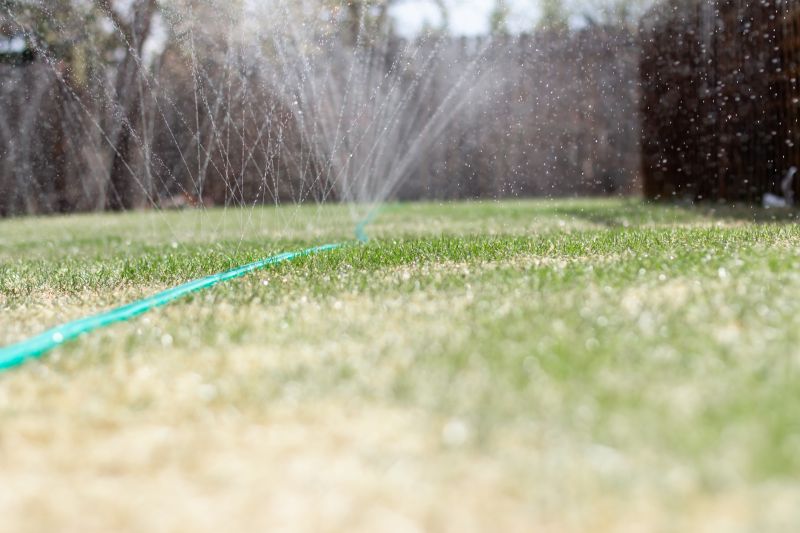

Use consistent comparison criteria to evaluate local contractors’ scope, experience, and written expectations for yard irrigation installation.
- Project Scope - Clearly define the specific areas and types of irrigation systems to be installed or upgraded.
- Design Specifications - Establish the desired layout, coverage, and types of components such as sprinklers or drip lines.
- Experience and Qualifications - Verify that local contractors have relevant experience with yard irrigation installation projects.
- Material and Equipment Details - Specify the brands, models, and quality standards for materials and tools to be used.
- Written Agreement - Ensure all project details, expectations, and responsibilities are documented in a comprehensive contract.
When comparing contractors for yard irrigation installation, it’s important to evaluate their experience with similar projects. Service providers who have a track record of installing irrigation systems in yards comparable in size, layout, or terrain can be better equipped to handle unique site challenges. Inquiring about past work that aligns with the specific features of a property can help determine whether a contractor’s expertise matches the scope of the project. This focus on relevant experience can lead to a smoother installation process and a system that functions effectively over time.
A clear, written scope of work is essential when evaluating different contractors. A detailed description of the tasks involved, including the installation of sprinkler heads, piping, controllers, and any necessary trenching or adjustments, helps ensure all parties have aligned expectations. Service providers should be willing to provide a comprehensive outline of what their work includes and what is excluded. This documentation serves as a reference point throughout the project, reducing misunderstandings and providing clarity for both the homeowner and the contractor.
Verification basics involve confirming that contractors understand the site’s specific requirements and have a methodical approach to installation. Service providers should be able to explain their process for planning the system layout, ensuring even coverage, and verifying proper operation after installation. Asking how they assess the site-such as checking existing water pressure or evaluating soil conditions-can provide insight into their thoroughness. A contractor’s ability to articulate their approach demonstrates a professional understanding of yard irrigation needs and helps homeowners gauge their level of preparedness.
When evaluating options among different service providers, it’s important to focus on their approach, communication, and the clarity of their proposals. Reviewing the scope of work, ensuring that expectations are documented in writing, and asking how they plan to verify system functionality can help distinguish experienced contractors. Comparing how each contractor explains their process and addresses potential challenges allows homeowners to make informed decisions based on the quality of their proposed approach, rather than price alone. This careful assessment supports choosing a reliable partner for a successful yard irrigation installation.
Ask contractors to provide written scope of work to ensure clear expectations and consistent project understanding.
- Experience and References - How can I verify the experience and past work of local contractors for yard irrigation installation?
- Scope of Work - What details should be included to clearly define the scope of the irrigation installation project?
- Materials and Equipment - How do I compare the types of materials and equipment proposed by different service providers?
- Work Methodology - What questions should I ask to understand each contractor’s approach to installing yard irrigation systems?
- Written Agreement - Why is it important to have the scope and expectations documented in writing before work begins?
How can I compare contractors for yard irrigation installation? Look for local service providers with experience in irrigation systems, review their credentials, and ask for references or examples of past work to ensure they meet your project needs.
What should I consider when defining the scope of my irrigation project? Clearly outline the areas to be irrigated, types of sprinkler heads or drip systems, and any specific features to ensure the contractor understands your expectations and can provide an accurate plan.
How do I verify the experience of a yard irrigation contractor? Request details about their previous projects, ask about their familiarity with different irrigation systems, and seek references to confirm their expertise in similar installations.
Why is it important to have the project scope in writing? Having a detailed written scope helps prevent misunderstandings, ensures all parties agree on the work to be performed, and provides a reference for project expectations.
What questions should I ask a contractor before hiring for irrigation installation? Inquire about their experience, the types of systems they install, how they handle site assessment, and what their process is for ensuring system efficiency and reliability.
How can I ensure the contractor understands my yard’s specific needs? Communicate your landscaping layout, water pressure details, and any preferences or restrictions, and verify that the contractor incorporates these factors into their plan.
This page has provided an overview of how to find qualified contractors for yard irrigation installation. Visitors have learned the importance of clearly defining the scope of work, verifying experience, and setting expectations in writing to help ensure a smooth project process. Comparing multiple local service providers can help identify options that best match specific needs and preferences.
To move forward, consider using the quote form to connect with local contractors who can handle yard irrigation installation. This tool makes it easy to explore different options side by side, helping to make informed decisions based on the details that matter most for each project.